

Energy expert Mr Adekunle Makinde described the Federal Government’s proposed $2 billion Investment in the transmission sector as a significant step toward strengthening Nigeria’s electricity supply.
Makinde, former President of the Nigerian Institute of Electrical and Electronic Engineers (NIEEE), made this statement during an interview in Lagos on Monday.

He stated that the Investment would address longstanding weaknesses in the transmission network and improve electricity delivery to consumers.
Tegbe stated that the project is part of the Federal Government’s efforts to address transmission challenges, improve grid stability, and meet the country’s growing electricity demand. Commenting on the Investment, Makinde said that Nigeria remained energy-poor despite its large population and abundant natural resources.
He added that the country’s per capita energy consumption remains low, mainly due to inadequate transmission infrastructure.
According to him, the electricity value chain comprises three major segments: generation, transmission and distribution, which must function effectively to ensure stable power supply. He explained that although Nigeria has an installed generation capacity of about 12,000 megawatts, the transmission network cannot deliver sufficient electricity to distribution companies.
“Even assuming we are generating at full capacity, the problem remains that we cannot wheel out more than a maximum of about 4,500 megawatts through the transmission network to the distribution end,” he said.
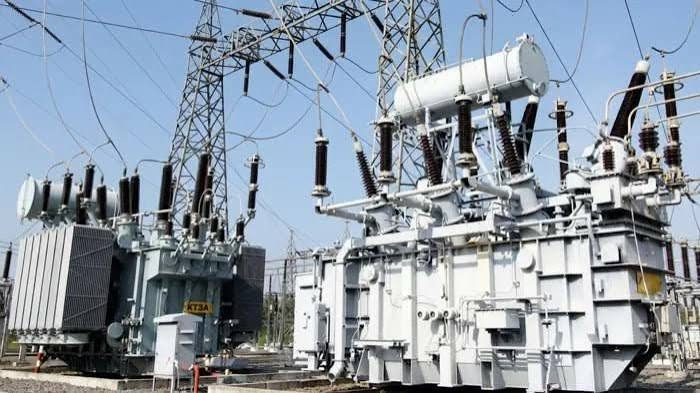
Makinde explained that electricity generated must pass through the transmission network before reaching consumers through distribution companies. He said weak and ageing transmission infrastructure continues to limit the benefits of investments in generation.
“The consumers are there, the end users are there, the last-mile people are there to use the electricity, but it is not getting to them because the transmission link is weak.
“The transmission link is obsolete, and the transmission lines are decrepit,” he said. He estimated the country’s current transmission capacity at about 3,750 megawatts and warned that electricity generation cannot expand meaningfully without corresponding Investment in transmission infrastructure.
According to him, even if Nigeria generates 100,000 megawatts, the additional capacity will be useless if the network cannot evacuate the electricity to consumers.
Makinde described the proposed $2 billion Investment as timely, noting it would provide infrastructure to expand transmission capacity, construct new lines, and rehabilitate existing facilities. ver, called He called for transparency, effective monitoring, and accountability in the project’s implementation to ensure value for money.nmHe urged the government to identify the technical experts, contractors, and institutions responsible for delivering and monitoring the project.e our transmission capacity, build new transmission lines and upgrade obsolete ones. That is very good.
“But who are the people and technocrats in place to ensure that this investment is properly monitored?” he asked.
Makinde said that Nigeria has never lacked good policies and ideas but has often struggled with implementation. He emphasised the need for effective checks and balances to ensure proper use of funds and that the project delivers its intended benefits. The intervention was long overdue, adding that the generation and distribution segments also required substantial Investment.
He identified obsolete transformers, underground cables, and overhead installations, including 33kV, 415V, and 220V distribution networks, as infrastructure requiring urgent rehabilitation. What we needed about 50 years ago, but it is good that it has come now,” he said.