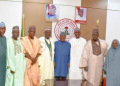


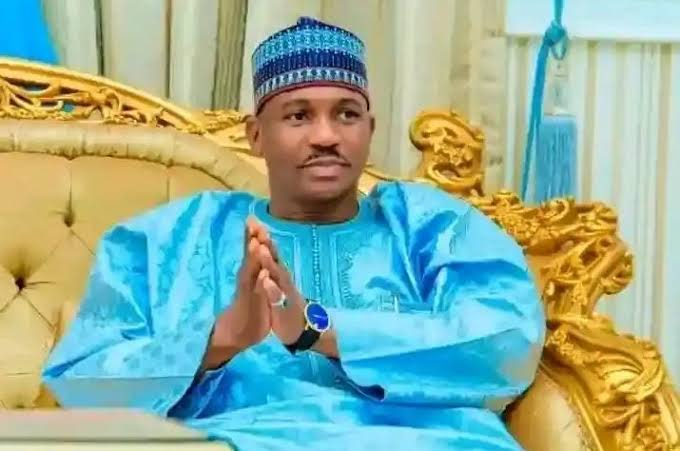
Gov. Ahmed Aliyu of Sokoto State has assured residents that their needs and development priorities will guide the formulation of the proposed 2027 budget, despite competing demands and limited financial resources.
Aliyu disclosed this on Tuesday at the grand finale of the statewide Town Hall Meeting on Citizens’ Inputs into the proposed 2027 Budget, organised by the Ministry of Budget and Economic Development in Sokoto.

He said the consultations were designed to provide citizens with an opportunity to communicate their concerns directly to government and contribute to policies and budgetary decisions affecting their welfare.
The governor stressed that a credible budget must reflect the aspirations of the people, address pressing community challenges, and ensure that available public resources are channelled towards programmes and projects that improve living conditions.
According to him, residents understand their needs and challenges better than anyone else, citing the demand for additional classrooms, improved healthcare facilities, better water supply and expanded economic opportunities.
He said the government was committed to ensuring that the 2027 budget emerged from meaningful consultations, careful consideration of citizens’ needs and a realistic assessment of available resources.
Aliyu, however, acknowledged the challenge of meeting the numerous demands from different communities and sectors, given the state’s limited financial resources.
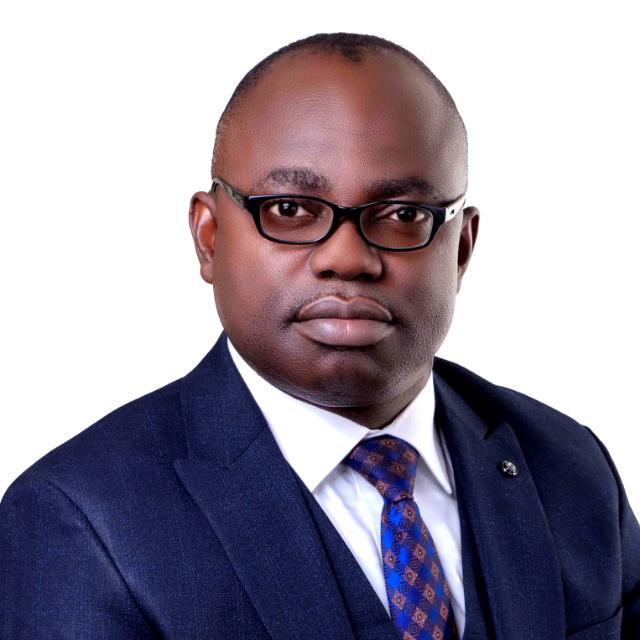
Earlier, the Commissioner for Budget and Economic Development, Dr Bashir Muhammad-Achida, said the consultation reflected the administration’s commitment to transparency, inclusiveness and accountability in public financial management.
Muhammad-Achida said the administration had continued to implement reforms aimed at promoting sustainable economic growth and the overall development of the state.
He noted that since assuming office, Aliyu had personally championed citizens’ participation in budget preparation to ensure that residents had meaningful opportunities to influence decisions concerning their welfare.
According to him, the commitment has been extended to all 244 political wards across the state through consultations conducted in the three senatorial zones.
Muhammad-Achida said the engagement would enable stakeholders to make constructive contributions towards addressing priority needs within the limits of the state’s available resources and revenue capacity.
The commissioner recalled that during a similar exercise last year, stakeholders had requested improved road infrastructure, healthcare facilities and water supply, among other needs.
He said the ministry had documented and consolidated the requests for government consideration.
“Offa road, whose reconstruction was requested by a community representative during the previous consultation, had since been reconstructed.
“Another similar road within the same vicinity had been awarded for construction,” he added.
In his remarks, the Social Protection Specialist, Sokoto Field Office, United Nations Children’s Emergency Fund (UNICEF), Isah Ibrahim, commended the governor for convening what he described as an inclusive and participatory process.
According to him, UNICEF’s interventions complemented the state government’s commitment to the development, well-being, learning and protection of children and vulnerable groups in the state.
Ibrahim noted that UNICEF has spent over N13 billion in the fiscal year in the state, including the procurement of RUTF.
He encouraged all 23 Local Government Councils in the state to include a dedicated social protection allocation in their 2027 budgets to co-finance state programmes and identify and refer vulnerable households for interventions.
Ibrahim further expressed UNICEF’s commitment to partner with the state government and people of the state for a more developed Sokoto State.
The grand finale followed consultations conducted across the state’s three senatorial zones, during which inputs from all 244 political wards were articulated and consolidated for consideration in the proposed budget.
The consultations brought together representatives of traditional institutions, community organisations, religious groups, women, youths, civil society organisations, and professional groups, among other stakeholders.