

The World Health Organisation (WHO) reported that Nigeria and eight other African countries confirmed 67 yellow fever cases, including 18 deaths, between Jan. 1 and Oct. 12, 2026.

In its latest situation report, WHO listed the affected countries as Burkina Faso, Cameroon, Central African Republic, Côte d’Ivoire, Ghana, Guinea, Liberia, Nigeria, and Togo.
WHO noted that recent outbreak activity has been concentrated in Burkina Faso, Côte d’Ivoire, Ghana, and Liberia, particularly in communities near international borders.
The organisation identified occupational and environmental exposures, especially activities near forested areas, mining sites, and other outdoor occupations, as significant risk factors for yellow fever infection.
It warned that frequent cross-border movement, the presence of competent mosquito vectors, and uneven vaccination coverage could increase transmission and spread the disease.
WHO stated that affected countries, with support from the organisation and partners, are strengthening surveillance, investigating cases, conducting laboratory testing, and intensifying active case detection.
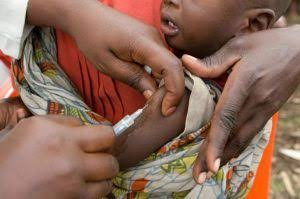
“Other response measures include risk communication, community engagement, and vaccination activities targeting affected communities and areas considered at increased risk of infection,” it said.
The health agency assessed the overall public health risk of the ongoing yellow fever situation as moderate at the regional level as of Oct. 27, 2026.
However, it maintained that the global public health risk associated with the current yellow fever situation remains low.