


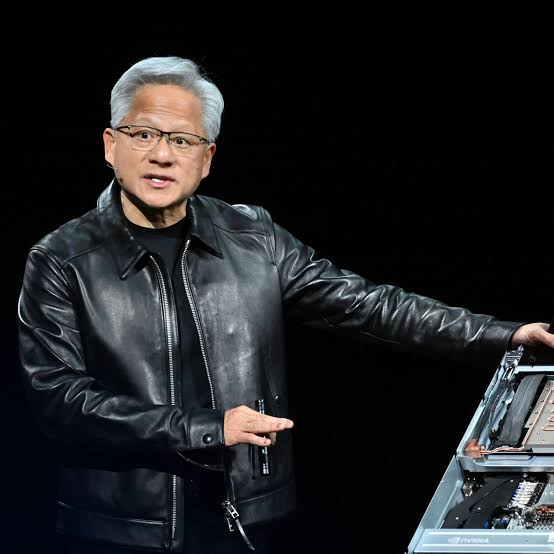

Nvidia, currently one of the world’s most valuable companies, is the global leader in manufacturing the advanced microchips that power modern AI. Because of the company’s central role in the technological race between the United States and China, the scandal has quickly evolved from a private family matter into a pressing international security issue.
Jensen Huang, Nvidia’s co-founder and ceo was alleged to have engaged in an extramarital relationship with a Chinese businesswoman named Alice Huang, whom the United States authorities deemed to be a Chinese intelligence asset. According to reports from The New York Times, U.S. intelligence agencies had been monitoring Alice Huang and believed China’s Ministry of State Security had recruited her to gather intelligence on Nvidia’s technology and potentially bypass U.S. chip export restrictions. After the report, Nvidia began an internal investigation into whether a foreign intelligence operation was targeting Jensen Huang. Although Huang acknowledged being unfaithful to his wife, Nvidia’s board publicly demonstrated confidence in him. Investors, however, became concerned, and Nvidia shares reportedly fell nearly 5% in premarket trading.
This immediately raised issues as to whether having an affair with someone alleged to be a spy becomes an offence in itself. This is because it is important to distinguish between having an affair, having a relationship with someone accused of intelligence activity and committing the offence of espionage.
Having an affair, in itself, is generally a private and personal matter and does not automatically constitute a criminal offence. However, the situation becomes more complicated when the person involved is alleged to have links to foreign intelligence activities. At that point, the issue moves past personal morality and brings up concerns about national security, corporate governance and the potential exposure of sensitive information.
The critical question is not necessarily whether Huang had a personal relationship with the woman, but whether that relationship was knowingly exploited to obtain confidential information, influence business decisions or gain access to sensitive corporate or national security information; hence the reason for the probe of Nvidia’s ceo jenson huang.
Another concern is how strongly Nvidia’s success has become associated with Huang’s leadership. Having led the company for more than three decades, he has played a central role in its evolution into a dominant supplier of AI chips. Consequently, any uncertainty surrounding his position could raise questions about leadership succession and the company’s ability to preserve strategic continuity if he were to step aside.