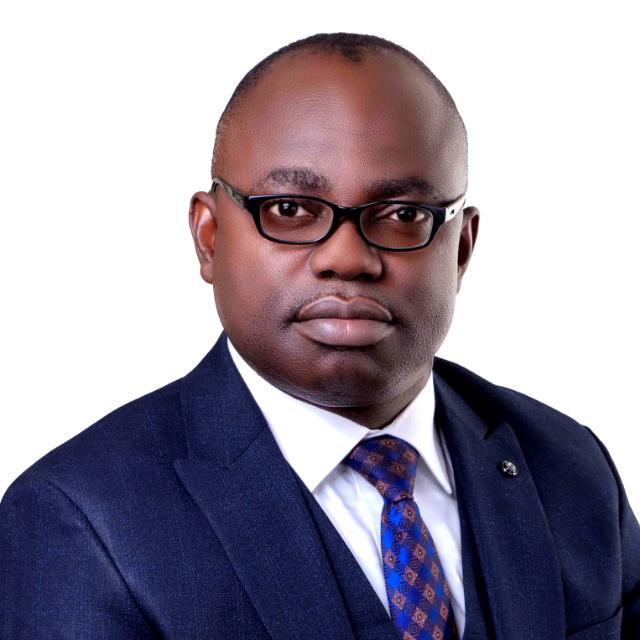



Gov. Chukwuma Soludo of Anambra said Nigeria needs at least 9% annual economic growth to reduce poverty and create jobs significantly.
He made this statement at the Nigerian Economic Summit 32 (NES32), themed “Growth that Works: Delivering Jobs, Productivity and Shared Prosperity,” held in Abuja on Monday.

He noted that Nigeria’s current growth rate of about four per cent is insufficient for rapid poverty reduction and job creation.
The governor added that Nigeria would need at least 12% annual growth to reach a one-trillion-dollar economy. He also noted that the investment rate, currently 17 to 20%, must increase significantly to support this expansion.
Soludo cautioned that large nominal spending figures can be misleading, noting that total public expenditure across all government levels is less than one dollar per person per day.
He emphasised the need to direct national savings into productive investments to expand output, create jobs, and improve living standards. He called for stronger coordination among the Federal Government, states, and local governments, noting that subnational authorities account for a substantial share of public spending. He stated that effective collaboration is essential to maximise the impact of government policies and investments nationwide.
Soludo cited Anambra’s free education programme, which covers kindergarten through secondary school, as an example of an intervention delivering measurable social benefits. He reported that the state reduced its out-of-school children rate from 2.5% to 0.25%.
He also referenced a recent Oxford and United Nations Development Programme (UNDP) report that placed Anambra’s multidimensional poverty rate at 9.6 per cent.
Soludo stated that reducing food prices requires structural reforms to address post-harvest losses, estimated at 43% of agricultural output. He said that improving storage, transportation, and distribution would help move food from farms to urban markets and lower consumer prices.
The governor urged governments to strengthen sectoral collaboration and mobilise investment to accelerate economic growth.
Soludo also called for policies to encourage exports, develop domestic value chains, and promote investment in sectors where Nigeria holds competitive advantages.
He emphasised that stronger private-sector participation and productive investments are essential to generate sustainable jobs and ensure economic growth benefits more Nigerians.
Mr Olaniyi Yusuf, Chairman of the Nigerian Economic Summit Group (NESG), urged the Federal Government to ensure economic reforms lead to job creation, higher productivity, and better living standards.
Yusuf made this statement on Monday in Abuja at the 32nd Nigerian Economic Summit (NES32), themed “Growth That Works: Delivering Jobs, Productivity and Shared Prosperity.”
He stated that Nigeria’s economic reforms offer an opportunity to strengthen the foundations for socio-economic development, despite ongoing pressures on households and businesses.
“Our responsibility now is to ensure that reforms lead to stronger enterprises, better jobs, more productive workers, rising incomes, improved living standards, and shared prosperity,” Yusuf said.
He noted that recent measures, such as removing the petroleum subsidy, foreign exchange reforms, fiscal restructuring, and banking sector reforms, were necessary to address economic distortions.
However, he cautioned that macroeconomic stabilisation alone will not automatically result in broad-based economic growth or improved welfare for citizens.
Yusuf emphasised that households need decent jobs, stronger purchasing power, improved security, and reduced poverty, while businesses require lower production costs, reliable electricity, and affordability. He stated that Nigeria must maintain economic stabilisation while prioritising practical steps to boost productivity and expand economic opportunities.c opportunities.
He said the summit’s theme highlights the need to measure economic success by job quality, business competitiveness, and how far prosperity benefits Nigerians.
Yusuf identified productivity, human capital development, and resilience as key priorities for sustainable and inclusive economic growth.
He said investments in education, healthcare, nutrition, and relevant skills will boost worker productivity and better prepare young Nigerians for employment.
The NESG chairman also called for better infrastructure, predictable regulations, fair competition, and an efficient legal system to encourage private investment and business growth. Economic performance presented a mixed picture, with improvements in some macroeconomic indicators alongside persistent challenges affecting businesses and households.
He observed that real Gross Domestic Product (GDP) grew by 4.43 per cent year-on-year in the second quarter of 2026, up from 3.89 per cent in the first quarter.
However, Yusuf expressed concern about persistent food inflation, high production costs, unreliable electricity, expensive financing, and inadequate infrastructure. He explained that a slowdown in inflation does not mean goods are affordable, as households still face high prices. rices.
Yusuf urged policymakers to prioritise productive investments, effective public spending, and actions to address poverty, food insecurity, and gaps in essential services.
He also called for stronger connections between education and employment through technical and vocational training, digital skills, and industry-relevant learning.
The NESG chairman identified agriculture, agro-processing, manufacturing, construction, tourism, and digital services as sectors with potential to expand productive employment.
He stated that the private sector is central to Nigeria’s economic transformation but needs an enabling environment to invest, produce,e and create jobs.
Yusuf encouraged businesses to invest in technology, workforce skills, local supply chains,s and export competitiveness, and called on the government to improve infrastructure and ensure regulatory predictability.
He emphasised the importance of assessing the real impact of reforms, rather than just recording policies or activities.
Yusuf stated that summit commitments should include clear institutional responsibilities, realistic timelines, measurable indicators, and regular reviews to ensure accountability.
He called on the government, businesses, development partners, and other stakeholders to collaborate in turning economic stability into investment, productivity, employment, and shared prosperity.
Yusuf stated that the ultimate test of the summit is whether its deliberations lead to tangible improvements for farmers, manufacturers, entrepreneurs, and young people seeking decent jobs.
He urged participants to develop practical solutions and measurable commitments that will deliver results beyond the summit.