

Public health physicians warn that El Niño-related weather changes may increase Nigerians’ risk of heat-related illnesses, waterborne diseases, and malnutrition.

El Niño is a natural climate phenomenon marked by unusually warm sea-surface temperatures in the central and eastern tropical Pacific Ocean, influencing weather patterns worldwide.
In an Aug. 12 webinar, the World Health Organisation identified heat-related illnesses, waterborne and vector-borne diseases, malnutrition, and disruptions to essential health services as potential health risks linked to El Niño.
In its 2026 Seasonal Climate Prediction presented in Abuja on Feb. 10, the Nigerian Meteorological Agency forecast above-normal temperatures across most of Nigeria, along with changes in rainfall patterns.
Dr Yetunde Odusolu, Consultant Public Health Physician at Ikorodu General Hospital, Lagos, told the News Agency of Nigeria that prolonged heat could cause dehydration, heat exhaustion, heatstroke, cardiovascular strain, and kidney complications.
She explained that changes in temperature, rainfall, and humidity could affect mosquito breeding patterns, potentially altering malaria transmission in various locations.
The physician said flooding could contaminate drinking water and food supplies, increasing the risk of cholera, acute watery diarrhoea, and other waterborne diseases.
She added that prolonged dry spells and water shortages could reduce crop production, raise food prices, and worsen malnutrition, especially among children and pregnant women.
“Infants, young children, older adults, pregnant women and people with chronic illnesses are particularly vulnerable to extreme heat and its associated health complications,” she said.
Odusolu advised Nigerians to drink safe water, wear lightweight clothing, improve indoor ventilation, and limit strenuous outdoor activities during the hottest periods. She recommended that families keep their homes cool by using curtains or blinds to block direct sunlight, placing bowls of water around rooms to increase humidity, and using fans for better air circulation. To ensure safe drinking water, she suggested boiling water, using water purification tablets, or filtering water with clean cloths if necessary. Odusolu also urged people to watch for warning signs such as extreme indoor temperatures, dehydration, or water that looks cloudy or smells unusual, and to take immediate steps to protect themselves if these conditions arise.
“Heatstroke is a medical emergency, especially when a person develops confusion, collapse or altered consciousness. Early warning signs of heatstroke may include headache, dizziness, weakness, nausea, excessive sweating or no sweating, rapid pulse, and skin that feels hot and dry. Waterborne diseases, such as cholera or acute watery diarrhoea, may present with early symptoms like frequent watery stools, vomiting, stomach cramps, fever, and signs of dehydration such as dry mouth or reduced urination. Seek emergency care immediately and begin safe cooling while help is arranged,” she said.
She urged employers to provide drinking water, shaded rest areas, and regular breaks for outdoor workers, including farmers, market traders, construction workers, and sanitation workers.
The physician called on the Federal Government to strengthen climate forecasting, disease surveillance, emergency preparedness, and nutrition programmes to protect vulnerable communities from climate-related health risks. She also noted that ongoing efforts, such as the establishment of the Nigeria Centre for Disease Control’s national response teams, current immunisation campaigns, and state-led climate adaptation projects, are already helping to build resilience. In addition, initiatives like the National Emergency Management Agency’s public awareness campaigns and the Integrated Disease Surveillance and Response system provide resources that Nigerians can access for information and support.
She also urged the Lagos State Government to improve drainage, ensure access to safe water, establish heat-health alerts, and strengthen healthcare facilities’ preparedness for disease outbreaks.
Dr Naomi Dongo, Medical Officer and Director of Advocacy at Cancer Advocacy Nigeria, shared similar views, noting that El Niño could influence global temperatures and rainfall patterns, with varying effects across regions.
She said extreme heat could cause heat exhaustion, dehydration, and fatal heatstroke, while worsening existing cardiovascular, kidney, diabetic, and respiratory conditions.
“Ultimately, the people with the fewest resources to protect themselves are often the ones who experience the greatest health consequences,” she said.
Dongo said children under five, older adults, pregnant women, people with chronic illnesses, and outdoor workers are particularly vulnerable to extreme heat.
She advised people to drink water regularly, limit outdoor activities during the hottest periods, wear lightweight clothing, and seek shade or cooler environments.
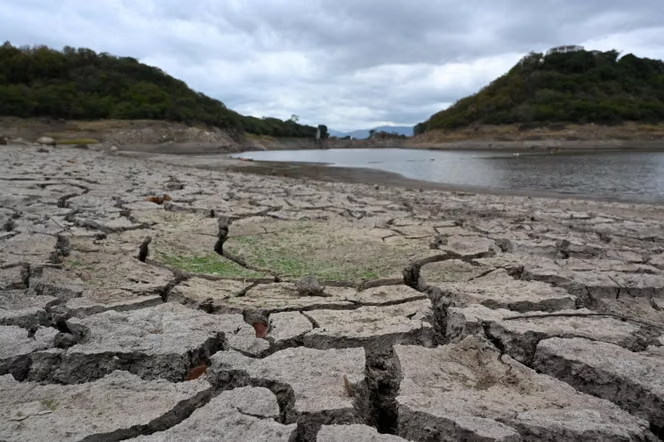
She said prolonged dry spells could reduce agricultural productivity, raise food prices, and make nutritious meals less affordable, worsening malnutrition among vulnerable groups.
“Water shortage can make households obtain water from unsafe sources, increasing the risk of diarrhoeal diseases,” she said.
Dongo said flooding could contaminate water sources with sewage, faecal matter, and refuse, increasing the risk of cholera and other diarrhoeal diseases.
She urged governments to strengthen early-warning systems, healthcare facilities, safe water supply, sanitation, and drainage infrastructure to protect vulnerable communities.
She said preparedness should be adequately funded, coordinated, and evaluated to prevent avoidable illnesses, protect livelihoods, and ensure vulnerable populations can access essential services during extreme weather.
Another public health physician, Dr Lilian Ochayi, warned that prolonged heat linked to El Niño could cause dehydration and heatstroke and worsen existing illnesses.
Ochayi, Public Relations Officer of the Association of Public Health Physicians of Nigeria, Lagos Chapter, said changes in rainfall could also increase flooding, water contamination, and infectious diseases.
She said prolonged dry spells could affect food production, increase food prices, and worsen malnutrition, especially among children and pregnant women.
According to her, infants, older adults, pregnant women, people with chronic illnesses, and outdoor workers are particularly vulnerable to extreme heat.
“Early preparation, reliable public information and protection for our most vulnerable populations can prevent illness and save lives,” she said.
Ochayi urged governments to strengthen early warning systems, disease surveillance, flood preparedness, access to safe water, and public education to protect vulnerable communities.